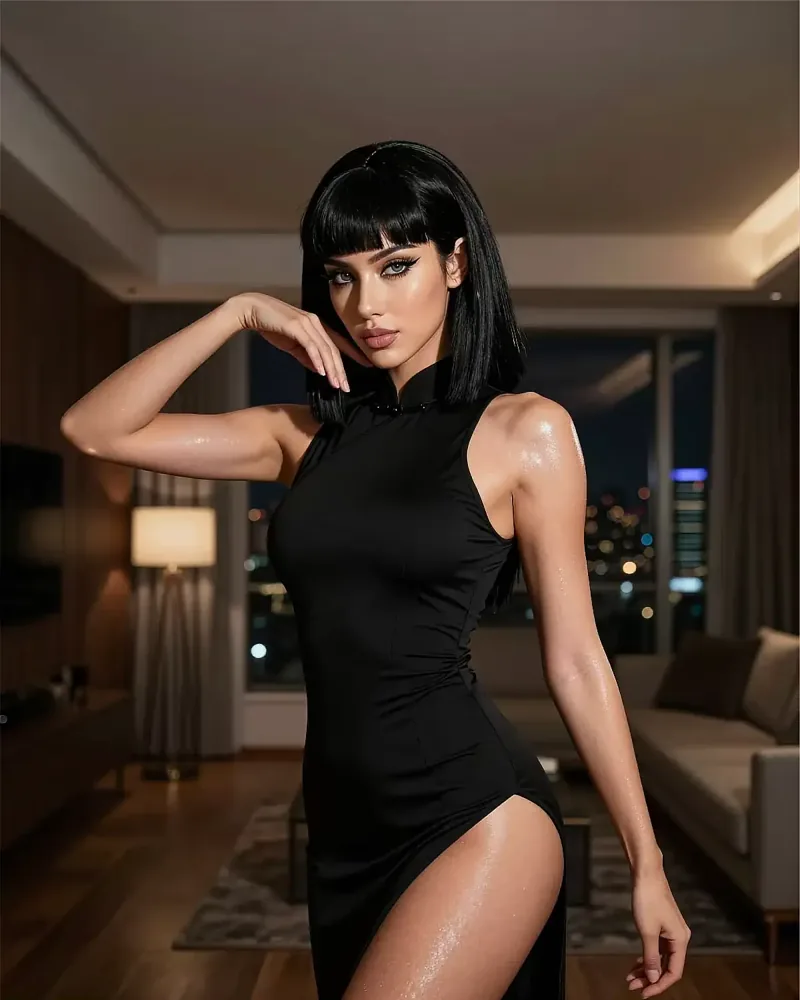
Appearance
Choose the visual world first: realistic, anime-inspired, a specific hair colour or a whole aesthetic. It sets expectations before the first message.
Create an AI girl concept by choosing her appearance, core behaviour, relationship and speaking style. Use the builder to turn those choices into a character brief you can copy and refine.

A character brief
A character becomes memorable when the details agree with one another. A soft, romantic personality pairs naturally with slower replies. A bold, confident personality needs more edge. Start with the three decisions below, then refine.
Choose the visual world first: realistic, anime-inspired, a specific hair colour or a whole aesthetic. It sets expectations before the first message.
Pick one core trait that should survive every topic change. Warm, playful, confident and shy are starting points, not complete personalities.
Decide whether the character is a girlfriend, a companion, a friend or part of a fantasy. The relationship changes how direct the conversation should feel.
Interactive concept preview
Choose an option from each group to update the visual preview and the written brief. The brief is assembled locally from your selections; images are previews rather than newly generated portraits.

A realistic, romantic, girlfriend concept
Choose one option from each group, then copy the brief to keep working on your character.
Actual creation controls and available character options are determined by the AIGirl.com platform.
Step one
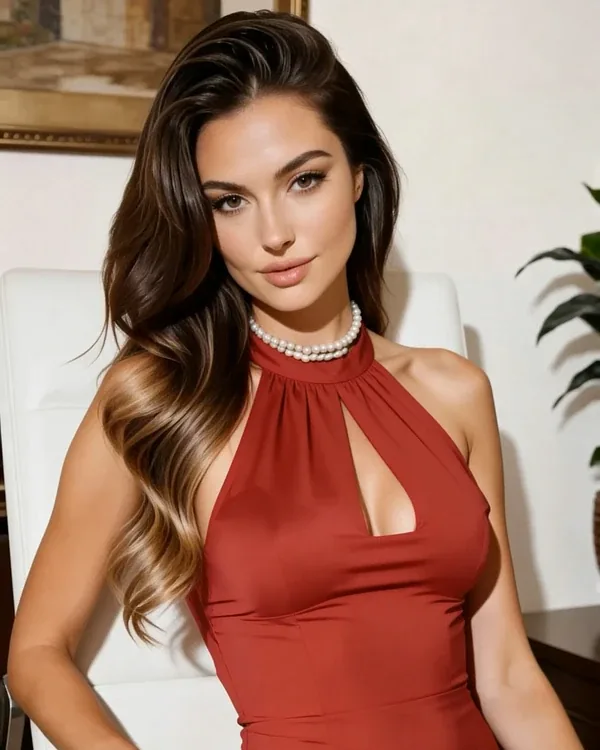
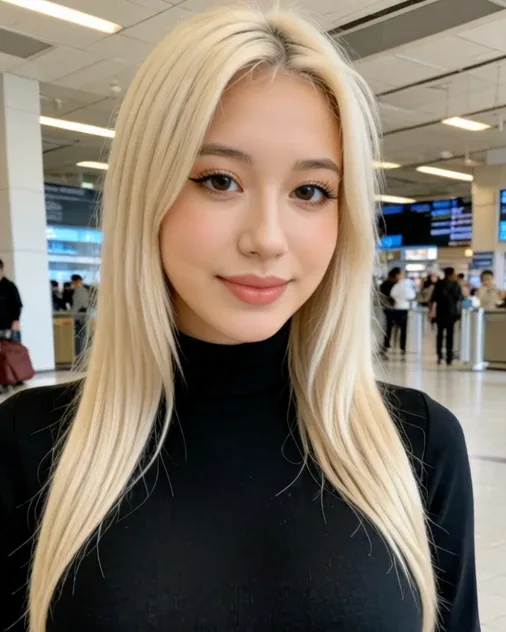
The visual style sets the emotional genre of the character. Realistic characters tend to suggest intimacy and everyday life. Anime characters often suggest fantasy, adventure and stronger archetypes.
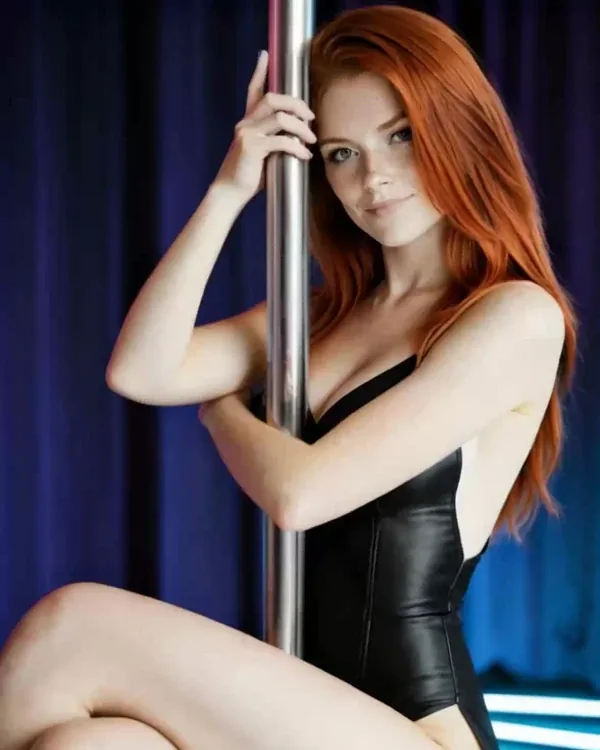
Softness, texture, eye contact
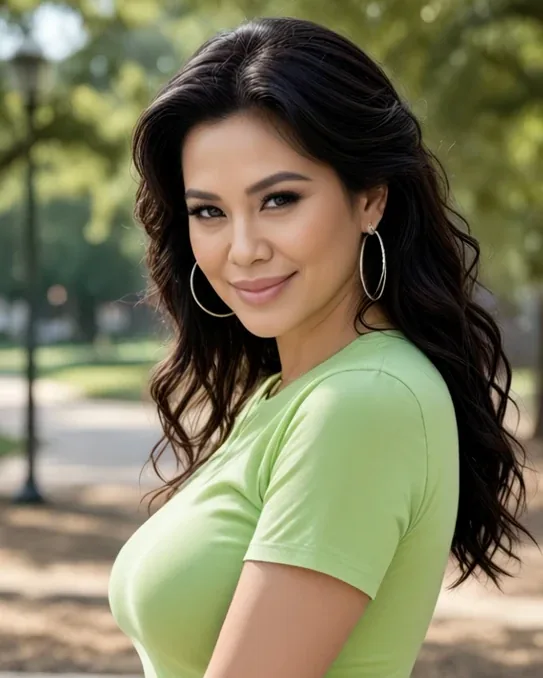
Sharp features, strong presence
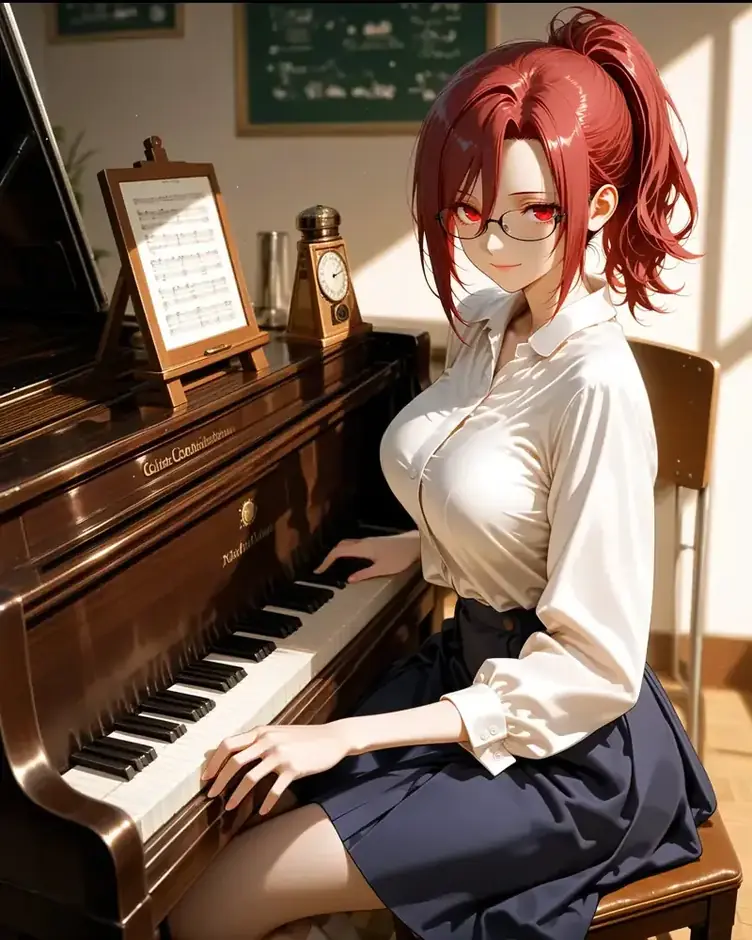
Expressive, bright, fantasy-ready
Restraint, secrets, late nights
Character images are visual examples of fictional adult personas and different appearance styles.
Style comparison
Neither style is inherently better. The right choice depends on the kind of fantasy you want the conversation to support.
Best for everyday scenarios, slow-burn romance and conversations that feel like they could happen in the real world. Ask yourself whether you want subtle expressions or a stronger visual archetype.
Best for fantasy, adventure, rivals-to-lovers dynamics and heightened emotion. Anime design can make archetypes more legible, but personality still needs to do the work once the chat starts.
Example“I'm not difficult. I just have excellent taste in arguments.”
A personality is more than an adjective. It is a pattern of attention: what the character notices, how quickly she replies and what she does when the conversation gets serious.
Start with one dominant trait, then add one contrast. A shy character with a dry sense of humour is more interesting than a shy character who is only timid. A confident character who becomes tender in private gives the chat somewhere to go.
Supportive and gentle. Risks becoming generic without a specific point of view.
Light and quick. Add a softer trait so the character can slow down when needed.
Direct and self-assured. Creates natural tension if you enjoy being challenged.
Reserved and observant. Build the reveal slowly for a stronger payoff.
Step three
The relationship frame tells the character how close to play the conversation. Conversation style tells her how to get there.
Affectionate, romantic and emotionally close. The default frame for most AI girlfriend experiences.
Warm and consistent without requiring romance. Good for company, encouragement and relaxed conversation.
Casual, funny and low-pressure. Better for banter and everyday conversation than emotional intensity.
Slow burns work best when replies leave space for anticipation. Quick banter needs shorter messages and more energy. Direct characters cut to the point; story-led characters describe the scene.
Fantasy can be an archetype, setting or relationship dynamic. Keep the character's core personality intact even when the scenario changes. That is what makes the fantasy feel authored rather than random.

Adventurous · playful · bold
Separate appearance from behaviour. “Dark hair and a confident expression” describes a look; “offers an opinion, asks a direct question and can laugh at herself” gives the character something to do in a conversation.
Add one contrast so the character has room to respond differently. A shy character might become direct about a favourite subject. A playful character might drop the teasing when a conversation becomes serious.
Copy the builder’s brief, add a short background and test it against two situations: an ordinary check-in and a disagreement. Refine any instruction that sounds vague or contradicts another trait.
Good to know
A few practical questions will save you from building a character that looks right but feels flat after ten minutes.
A strong portrait can carry the first message. The personality has to carry the tenth. Choose a voice you can imagine returning to.
“Kind” is not a personality. “Notices when you are quiet, teases you gently, becomes direct when it matters” is closer to one.
Review how the platform stores characters and conversations before you invest time. Avoid sharing identifying information in any AI chat.
Read the practical character selection guide for a simpler decision process.
From idea to chat
Choose one visual direction, one core trait and one dynamic. Keep it short enough to remember.
Copy your current brief, then add a name, a short background and one behaviour you want to keep consistent.
Try an everyday opener and a gentle disagreement. Adjust the brief if those situations produce a voice you would not enjoy returning to.
Create AI girl FAQ
Take your character brief to AIGirl.com and explore the creation tools available on the live platform.
Find a personality that matches your mood.